Sub-Total: $0.00
Interior Design Tips to Transform Your Home
Designing a home that feels both stylish and comfortable doesn’t require a professional decorator—just a bit of inspiration, a few guiding principles, and a sense of what makes you feel at home. Whether you’re revamping a room or starting from scratch, these tried-and-true interior design tips can help you create a space that’s not only beautiful but also reflects your personality.
1. Start with a Plan
Before buying a single pillow or paint swatch, take a step back. Think about how you use the space, what you need from it, and the mood you want it to evoke. Do you need a calming bedroom retreat? A lively kitchen for entertaining? Once you’ve defined the purpose, sketch a simple layout and measure the space. Planning ahead saves time, money, and mistakes.
2. Choose a Cohesive Color Palette
Color sets the tone of a room, so choose wisely. Neutral tones like whites, greys, and earth colors are timeless and versatile. To add personality, incorporate an accent color through accessories like cushions, rugs, or wall art. Sticking to a consistent palette throughout your home creates flow and makes spaces feel more connected.
When selecting wall colors, always test samples in different lighting—what looks perfect in the morning may feel too dark by night. And remember, bold doesn’t have to mean loud; a deep navy or forest green can be dramatic yet sophisticated.
3. Mix Textures for Depth and Interest
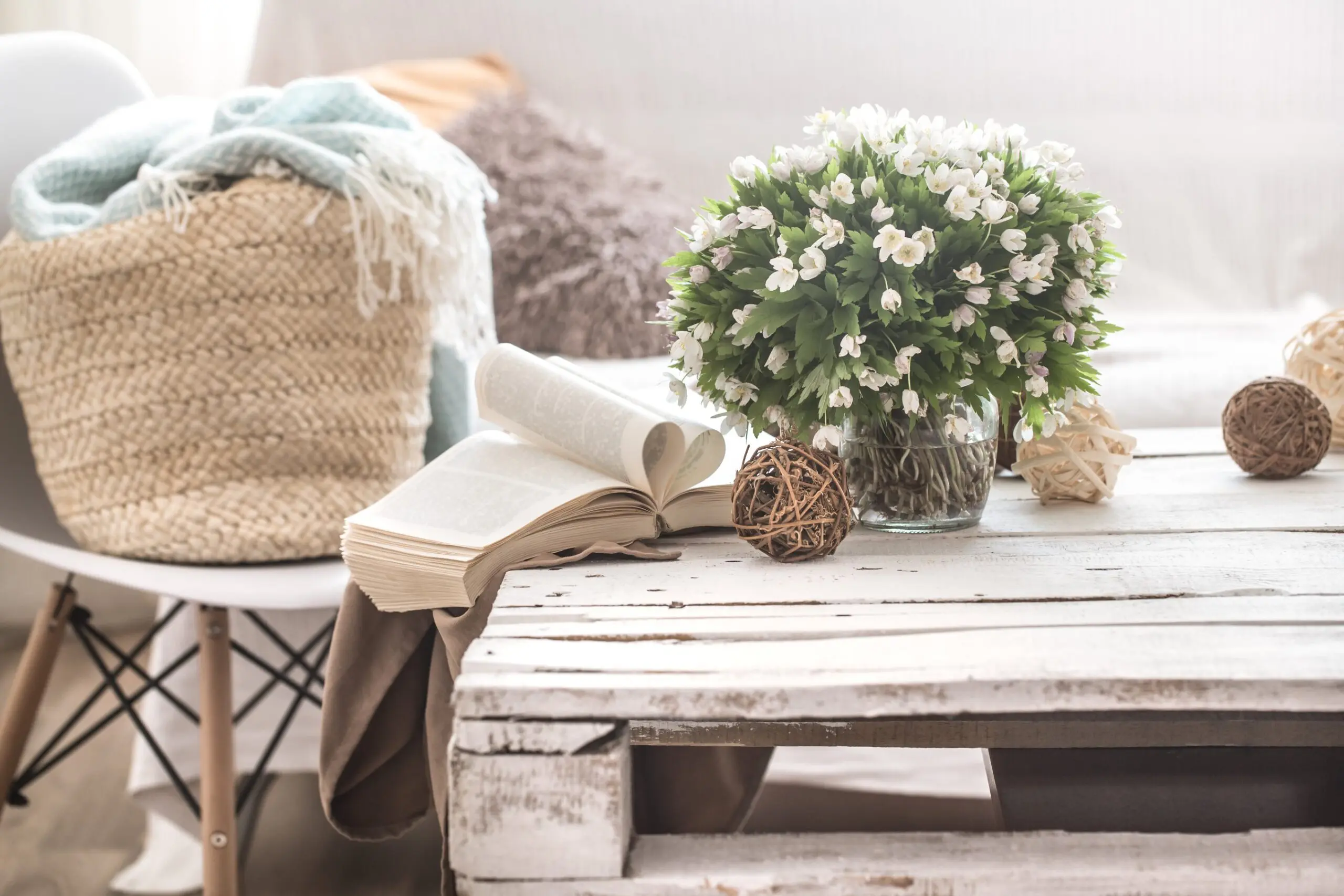
A well-designed room isn’t just about what you see—it’s also about what you feel. Layering different textures adds depth and character. Combine soft linens with smooth wood, plush rugs with woven baskets, or glossy ceramics with matte finishes. This approach brings warmth and a lived-in quality that flat, uniform surfaces simply can’t match.
Texture is especially important in neutral rooms—it helps prevent them from feeling bland.
4. Invest in Quality Key Pieces
Not every item in your home needs to be high-end, but it’s worth investing in a few standout pieces. A solid wood dining table, a well-crafted sofa, or a statement light fixture can elevate the entire room. These are the elements that ground your design and often become focal points.
Focus on timeless designs and durable materials that will age well and grow with your space over time.
5. Let Furniture Breathe
One of the most common design mistakes is overcrowding. Just because a wall is empty doesn’t mean it needs to be filled. Leave space between furniture pieces so the room feels open and airy. This not only looks better but also improves functionality and flow.
In smaller spaces, choose multi-functional furniture—think ottomans with storage, extendable tables, or wall-mounted shelves that free up floor space.
6. Add Personal Touches
Your home should feel like you. Incorporate personal items like travel souvenirs, heirlooms, or artwork you love. These elements tell your story and make your space truly one-of-a-kind.
Gallery walls, open shelving, or curated displays on side tables are great ways to feature personal treasures without clutter.
7. Layer Lighting for Mood and Function
Lighting can make or break a room. The best designs use a mix of ambient (general), task (functional), and accent (decorative) lighting. Overhead fixtures provide base light, while floor and table lamps add warmth and flexibility. Use dimmers where possible to shift the mood from bright and lively to soft and relaxing.
In rooms like kitchens or bathrooms, don’t overlook under-cabinet or vanity lighting—they’re as functional as they are atmospheric.
8. Use Nature to Your Advantage
Bringing the outdoors in is a simple and effective way to freshen up your interiors. Plants add color, texture, and a sense of calm. Whether it’s a tall fiddle-leaf fig in a corner or a cluster of succulents on a shelf, greenery adds life and softness to any room.
Natural materials—like stone, wood, linen, and leather—also create warmth and an organic feel that complements almost any style.
9. Play with Scale and Proportion
Designing with only one size in mind—whether large or small—can make a room feel off-balance. A mix of scales adds interest. Pair a low-profile couch with a tall bookshelf, or a large coffee table with delicate chairs. Oversized art or a dramatic pendant light can bring wow-factor, even in small rooms.
Just be mindful of your space—something too large may overwhelm, while too many small pieces can feel cluttered.
10. Keep It Organized
Even the most beautifully designed room loses its charm if it’s messy. Incorporate smart storage solutions that keep everyday items out of sight. Use baskets, cabinets, and hidden compartments to maintain order without sacrificing style.
A clean, well-organized space not only looks better but also feels more peaceful and enjoyable to live in.
Final Thoughts
Great interior design isn’t about following trends—it’s about creating a space that works for you. With thoughtful choices, layered textures, and a few personal touches, you can transform any room into a place that feels like home.
Remember, the best spaces evolve over time. Don’t rush the process—collect pieces you love, rearrange until it feels right, and most importantly, enjoy the journey. Start shopping now.